
Foodstuff Export Brand Success in 2026: Expert Tips

Address:

Al Mashriq Building, Al Khuwair Muscat

Phone Call:

(+968)79572032

Email:

info@Rowyal.com

Foodstuff Export Brand Success in 2026: Expert Tips

Foodstuff Export Brand Success in 2026: Expert Tips

Foodstuff Export Brand Success in 2026: Expert Tips

In 2026, building a successful foodstuff export brand is no longer just about quality products, it’s about visibility, trust, and smart market strategies. Global buyers demand transparency, consistency, and efficiency from suppliers. Digital marketing, traceability systems, and AI-driven insights give exporters a competitive edge. Understanding consumer trends across regions ensures your brand meets both taste and compliance expectations. Exporters who act strategically now will dominate international shelves and secure lasting growth.

Setting the Foundation for Your Global Brand

Defining Your Brand’s Identity and Values 

A brand’s identity and values serve as the core of its international presence. Clearly define what makes your brand unique and how it aligns with global consumer demands. 

What Makes Your Brand Unique? 

Is your product organic? Ethically sourced? Is it a traditional recipe passed down through generations? Highlight the unique aspects that set your brand apart from competitors.

Aligning with Consumer Needs and Preferences

Today’s consumers are more concerned with the story behind the food. Aligning your brand with values like sustainability, health benefits, or social responsibility can help build strong emotional connections.

Market Research and Understanding Competitors

Thorough market research helps identify where your products will thrive. Understanding your competitors, their pricing, and market entry strategies is vital for positioning your brand effectively.

Crafting a Mission and Vision that Resonate Globally

A global mission and vision should reflect your brand’s core values and demonstrate an understanding of the diverse markets you aim to penetrate.

Navigating Export Regulations and Compliance

Importance of Adhering to Local Laws and Global Standards: Exporting food internationally requires adhering to local regulations on food safety, labeling, and packaging. Ensure compliance with both your home country and target market’s standards.

 Certifications and Quality Assurance Programs: Obtaining international certifications like ISO 22000, HACCP, or Fairtrade can enhance your brand’s credibility and ensure your products meet global standards.

Navigating Customs and Tariff Requirements: Exporters must stay up to date with customs and tariff regulations to avoid costly delays or legal issues.

چگونه یک برند جهانی برای صادرات مواد غذایی در سال ۲۰۲۵ بسازیم How to Build a Global Brand for Foodstuff Exports in 2025

Developing a Winning Foodstuff Export Strategy in 2026

Strategy ComponentPractical Approach2026 Insights & Tips
Market ResearchAnalyze target markets for demand, regulations, and consumer preferencesAsia-Pacific and GCC markets are growing fastest; prioritize high-demand product categories
Compliance & CertificationEnsure products meet international standards and local regulationsHalal, organic, and non-GMO certifications improve market access and buyer trust
Pricing & PositioningCompetitive pricing with premium positioning where appropriateUse dynamic pricing tools and market intelligence to stay ahead in volatile markets
Logistics & DistributionOptimize shipping routes, cold chain, and warehousingAI-driven route planning reduces delays; IoT sensors ensure product quality in transit
Digital Marketing & BrandingBuild online presence, social proof, and B2B visibilityExporters leveraging e-commerce platforms see faster client acquisition and stronger brand recognition
Risk ManagementHedge against currency fluctuations, political instability, and supply disruptionsPredictive analytics and diversified sourcing mitigate risks in 2026 global trade

Packaging and Branding for International Appeal

Packaging and Branding for International Appeal

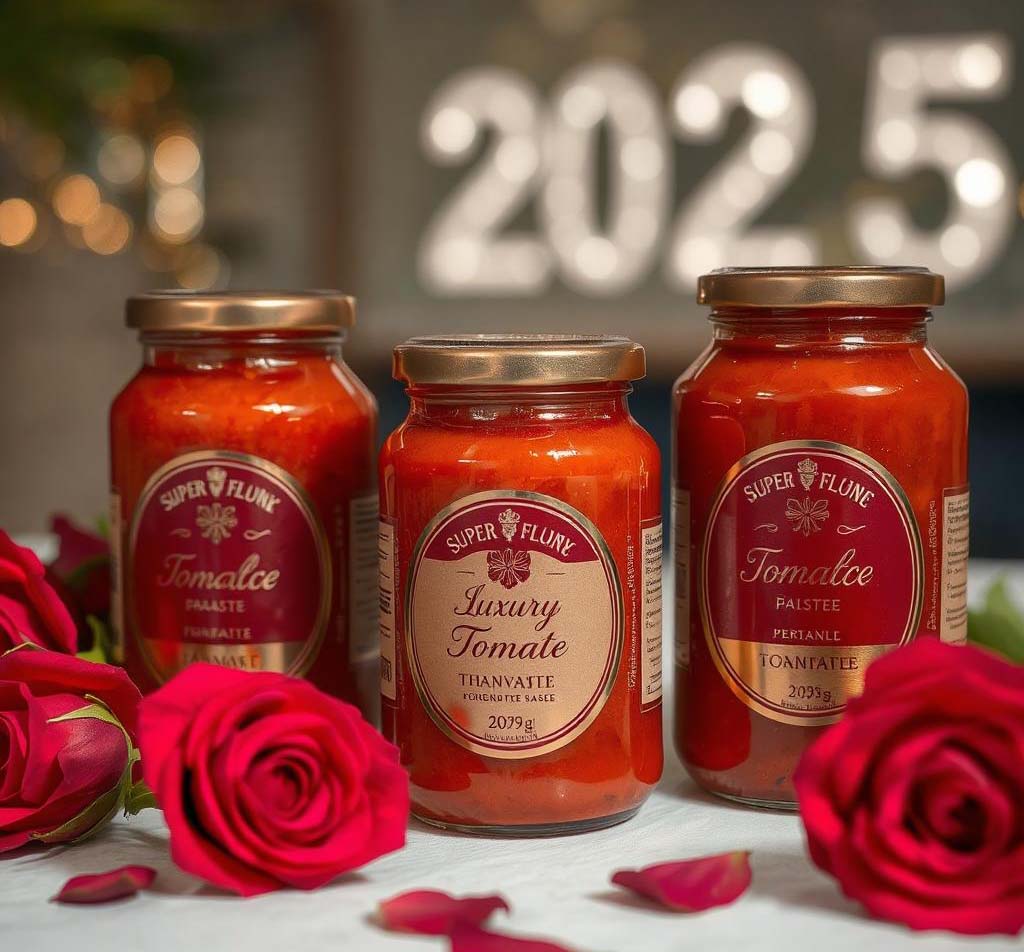
In 2026, packaging has become a critical driver of export success, not just protection. Global consumers increasingly prefer visually appealing, sustainable, and informative packaging that communicates origin, ingredients, and certifications. 

Research shows that 68% of buyers in top canned and processed food markets like the EU, USA, and Japan make purchase decisions heavily influenced by packaging quality and clarity. Exporters are adopting eco-friendly materials, smart labels with QR codes for traceability, and multilingual labeling to meet diverse regulatory requirements and consumer expectations.

Branding now goes hand-in-hand with packaging to establish trust and recognition internationally. Leading exporters are investing in digital storytelling, consistent brand visuals, and social proof through global platforms to differentiate their products in competitive markets. 

Case studies from 2025–2026 indicate that exporters who harmonize packaging aesthetics with strong brand identity see up to 20–30% higher repeat orders and stronger shelf visibility in major import hubs. These strategies also support compliance with sustainability and health-conscious trends, which are increasingly non-negotiable in key regions like North America, Europe, and the GCC.

Global Marketing Strategies for Foodstuff Brands in 2026

Digital Presence & E-Commerce:

  • Exporters in 2026 rely heavily on digital storefronts and B2B platforms like Alibaba, TradeKey, and region-specific marketplaces.
  • Research shows exporters with optimized online listings, product videos, and interactive catalogs see up to 40% faster client acquisition.

Social Media & Content Marketing:

  • Platforms such as Instagram, LinkedIn, and TikTok are used to showcase brand story, product quality, and sustainability practices.
  • Fact: Brands that integrate storytelling and product transparency in social campaigns report higher engagement and inbound inquiries from international buyers.

Trade Shows & Virtual Expos:

  • In-person and virtual exhibitions remain critical for credibility and networking in 2026.
  • Countries like Germany (Anuga), UAE (Gulfood), and USA (SIAL America) remain top hubs for foodstuff export exposure.

Localization & Cultural Adaptation:

  • Tailoring marketing messages, packaging, and campaigns to local languages, culture, and consumer preferences increases market penetration.
  • Case study: Brands adapting labeling and promotional content for GCC and Southeast Asian markets see 20–25% higher repeat orders.

Data-Driven Marketing & Analytics:

  • AI-powered analytics identify high-demand markets, optimal pricing, and buyer behavior trends.
  • Predictive insights allow exporters to run campaigns with maximum ROI while minimizing failed market entries.

Proven Strategies to Build a Global Foodstuff Brand in 2026

Transparent Supply Chains

Use blockchain and IoT tracking to show buyers exactly where products are sourced, processed, and shipped, ensuring trust and faster market acceptance.

Consistent Quality Assurance

Implement automated grading, AI inspections, and quality checks to maintain uniform product standards across all shipments, boosting global reputation.

Global Branding & Storytelling

Craft a consistent brand identity, share your heritage and sustainability story digitally, and leverage social proof to build credibility in new markets.

Conclusion

In 2026, succeeding in global foodstuff exports requires a combination of technology, strategy, and market insight. From AI-driven predictions and smart supply chains to transparent packaging and consistent branding, every aspect of the export process contributes to trust and competitiveness.

Targeting the right markets with data-backed strategies, ensuring compliance, and leveraging digital marketing ensures growth and repeat business. Exporters who integrate these tools and practices position their brands for long-term international success and market leadership.


5/5 - (7 votes)